Web panel for automation orchestration
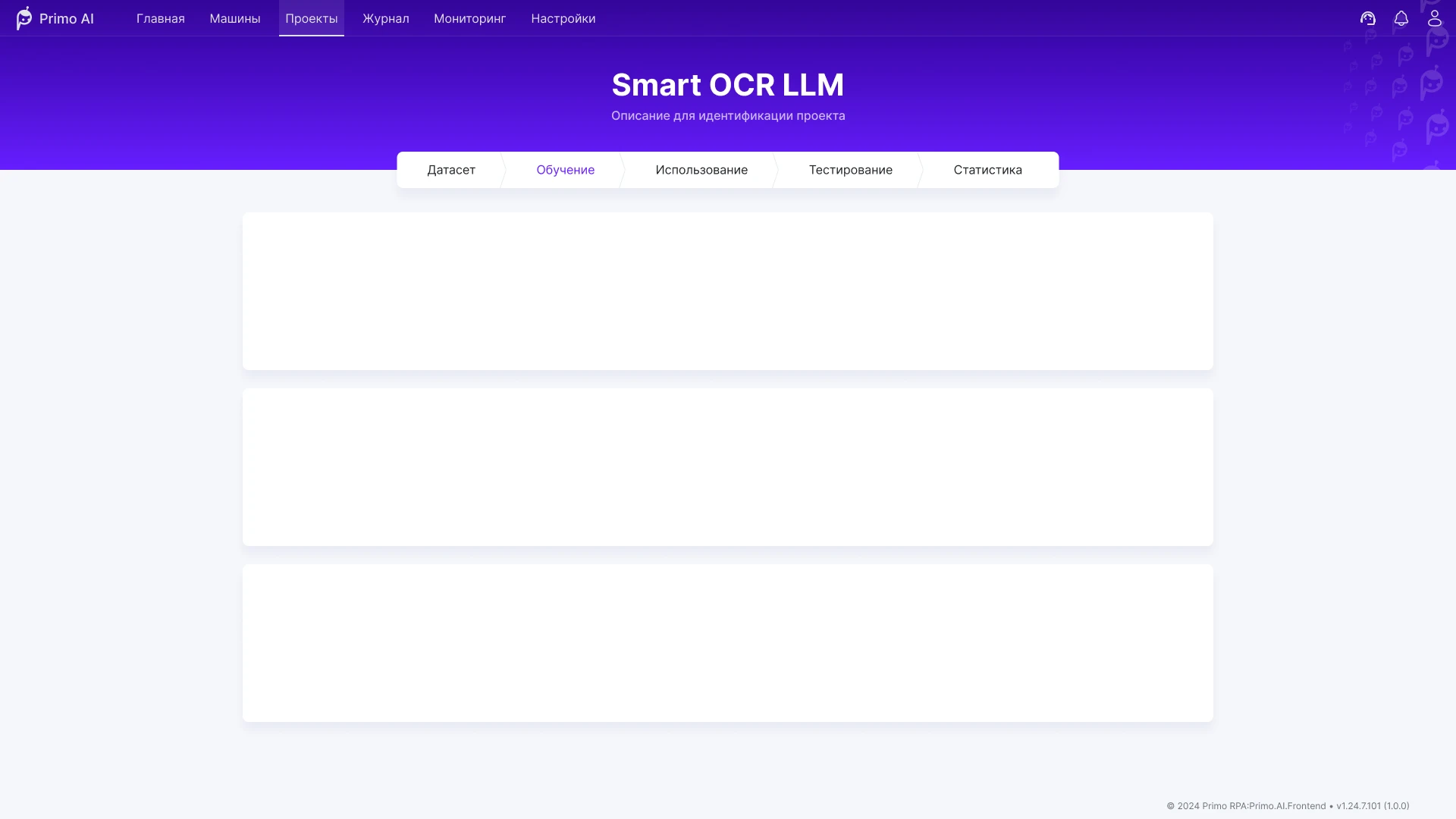
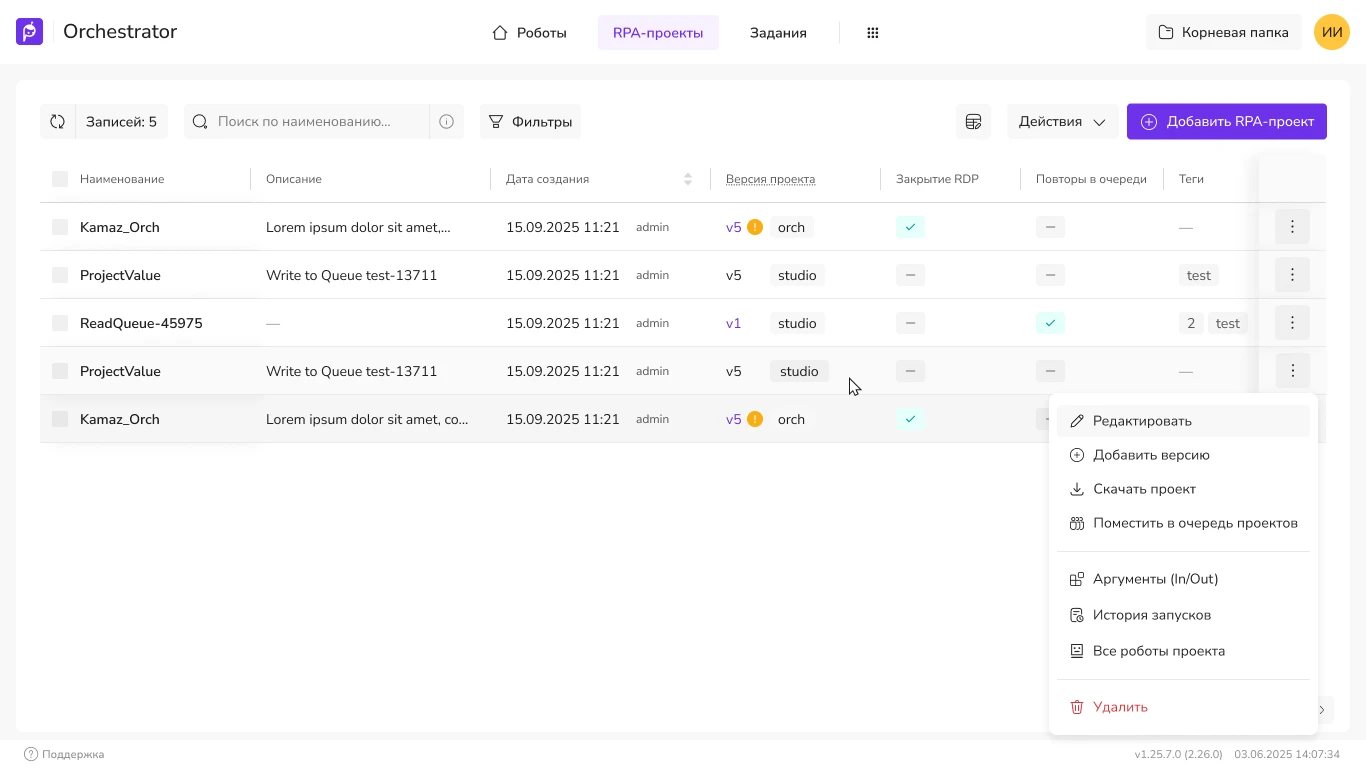
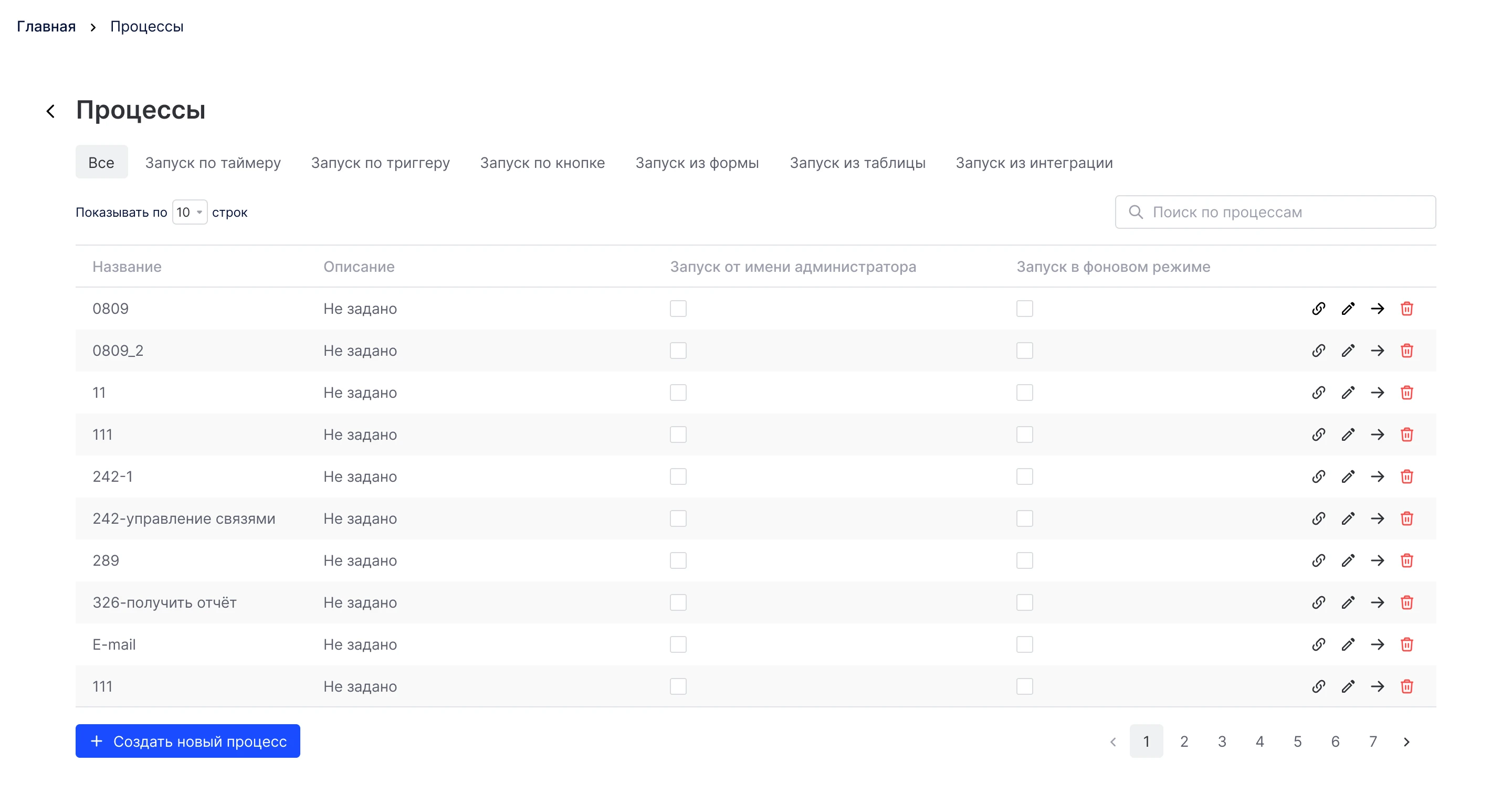
Primo RPA orchestrator web console: projects, launch and control of RPA bots. Redesign of key screens for production without halting releases.
Product Design · AI
Intelligent document
processing platform
and AI agent orchestration
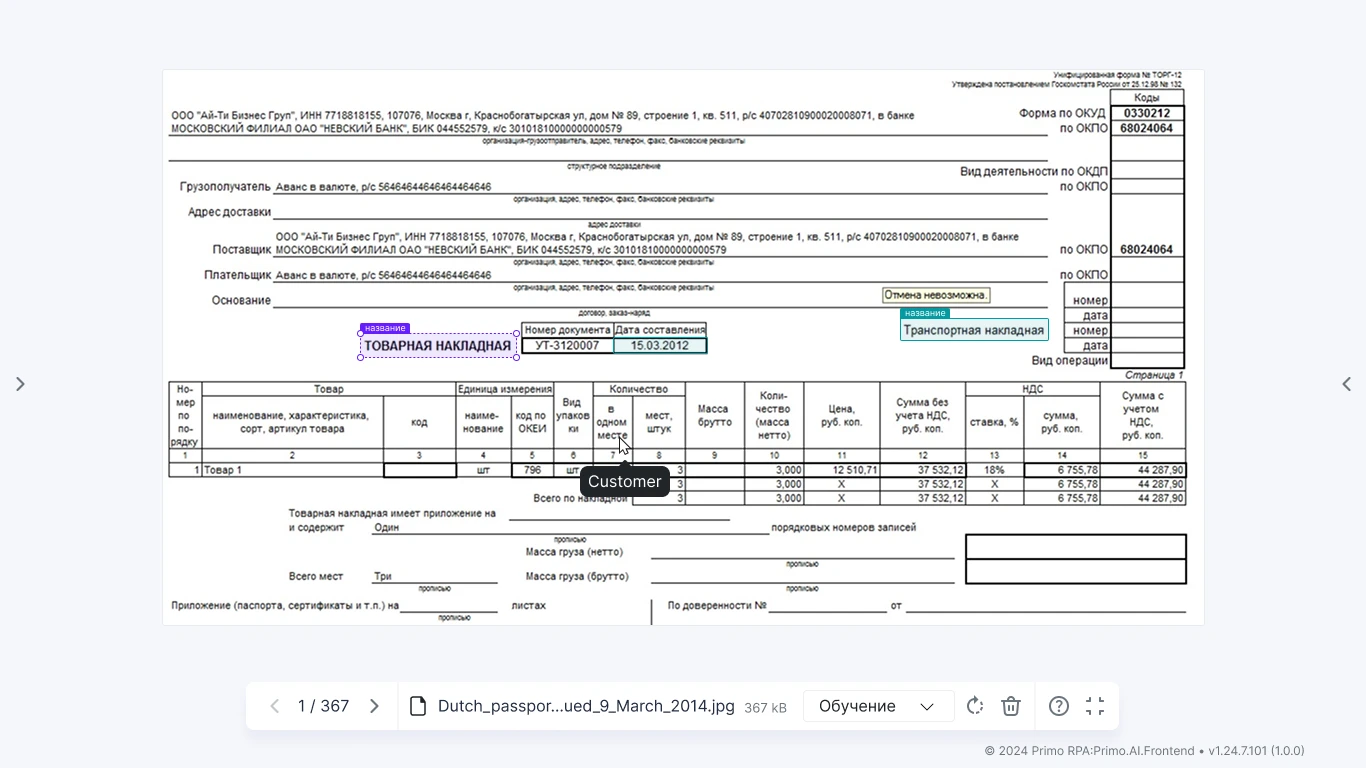
A service was launched within the company that significantly improved the workflow for text recognition models on documents: loading a dataset from company documents, field tagging, model training, and the subsequent use of the model in other products. This approach provided higher recognition quality and met security requirements—data remained within the company’s network. As work on the product progressed, functionality was added to fine-tune the base neural networks for the company’s specific tasks and to work with skills such as summarization, extraction, generation, and other scenarios.
I was invited to join the project as a UX/UI designer; prior to that, the developers had been building the interface on their own. As a result of this work, the service’s barrier to entry was lowered—significantly more people could use the product without specialized training in AI and OCR.
The service was built using Ant Design on top of React with the Hope UI visual theme for Bootstrap. The company already had several web products and wanted to unify and refresh the user interface, so the development team relied on components from those systems.
I immersed myself in the product and, together with the team, analyzed all the functionality in detail.
I mapped out user flows based on current scenarios: these showed the team where confusion arose in the interface and user journeys. Based on this, we redesigned the configuration processes themselves: we automated and hid some functions to reduce the risk of errors and eliminate unnecessary routine tasks.
The new approach changed both the perception of the product and the setup process. The interface guides users through the setup steps without disrupting their usual workflows: a fully linear wizard isn’t feasible here—users still need to go back and refine settings to ensure high-quality results.
The answers will help quantify the impact of the implementation with facts and figures.
Below are the key areas of the product: how they support learning and model-working scenarios, and how they differ from the previous approach.
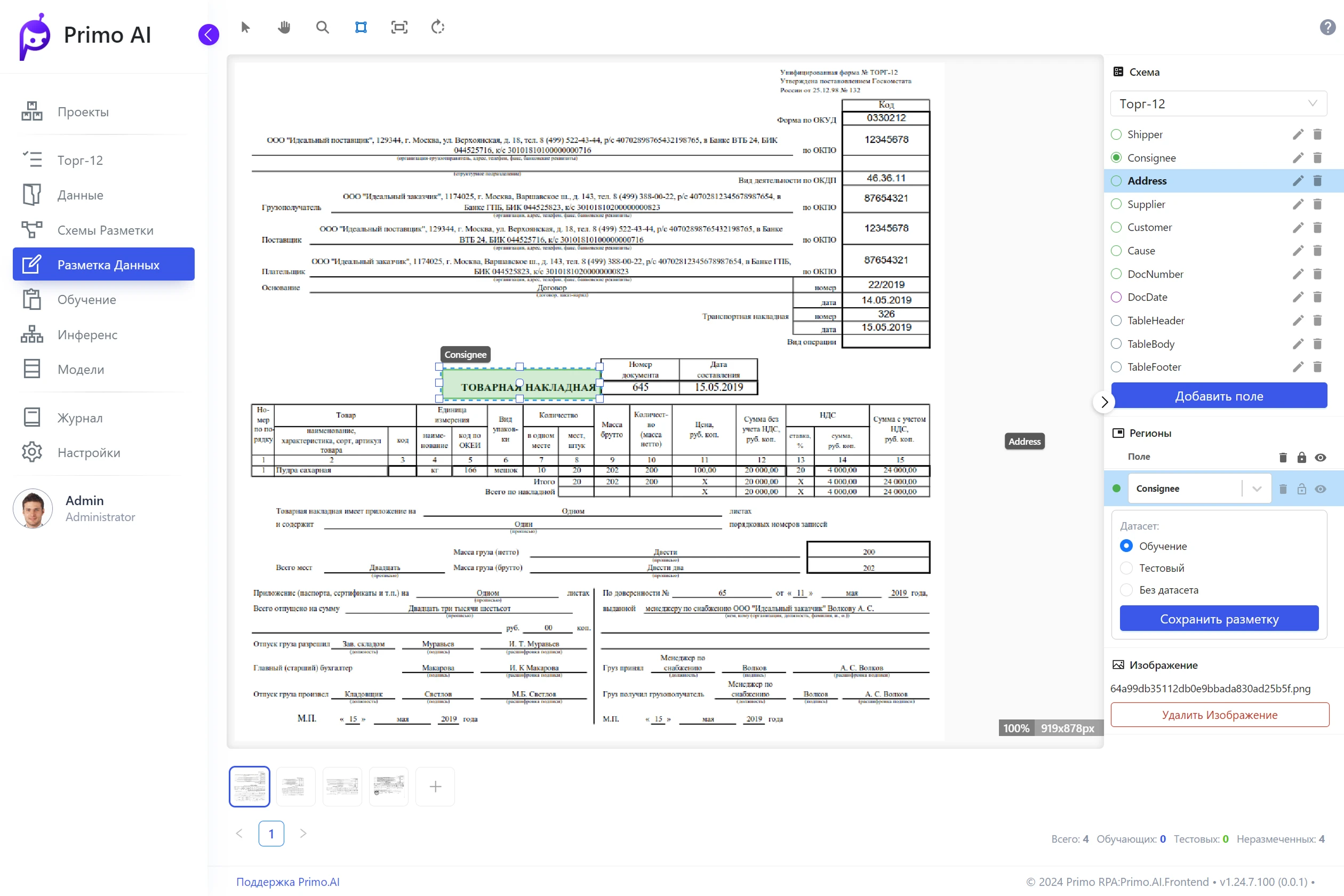
Mapping links document fields to the target data structure. It was important to make the relationship visual and reversible so that users don’t lose context when making edits.
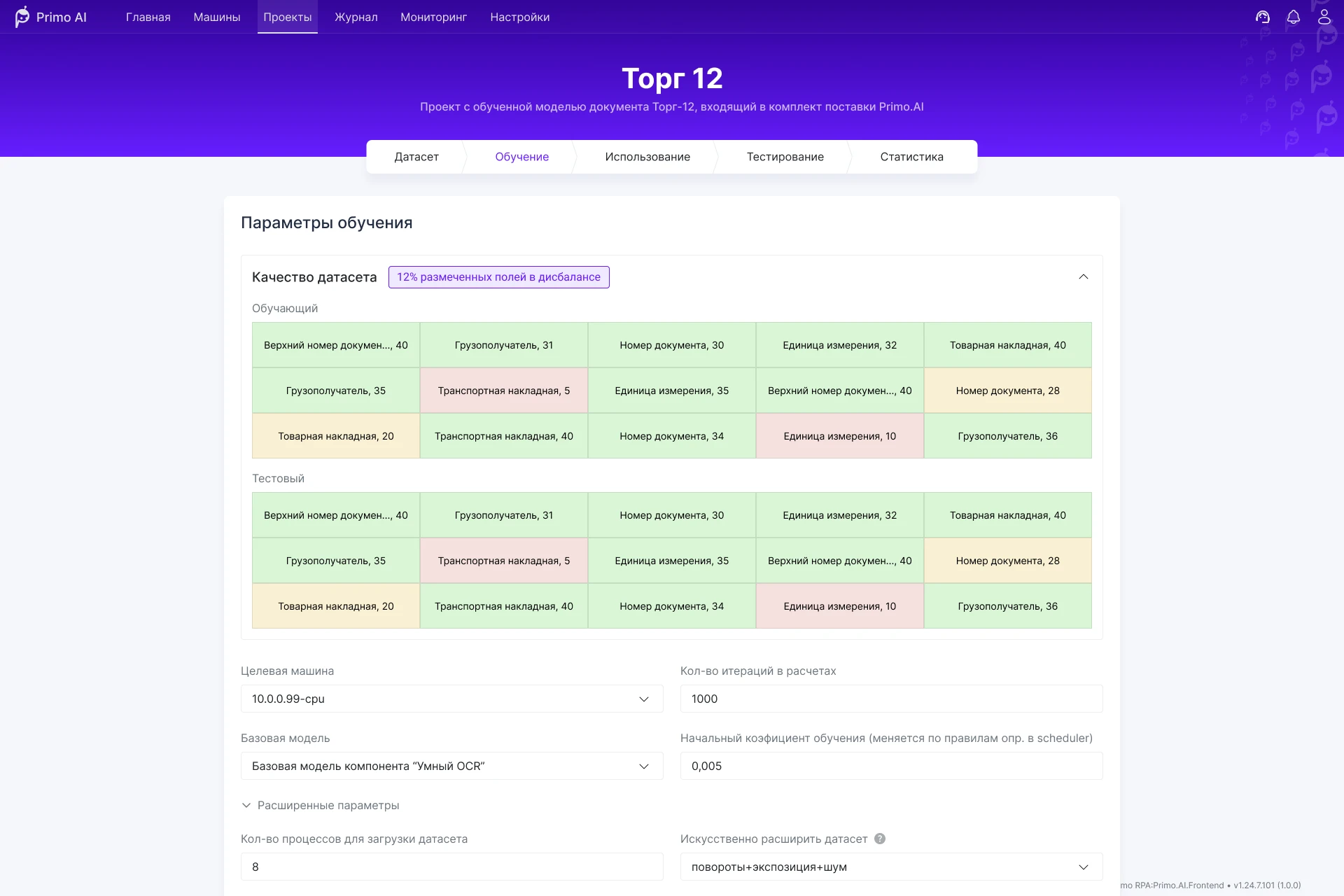
The dataset editor, training launch, and quality screens form a single mental path: data preparation → training → result verification.
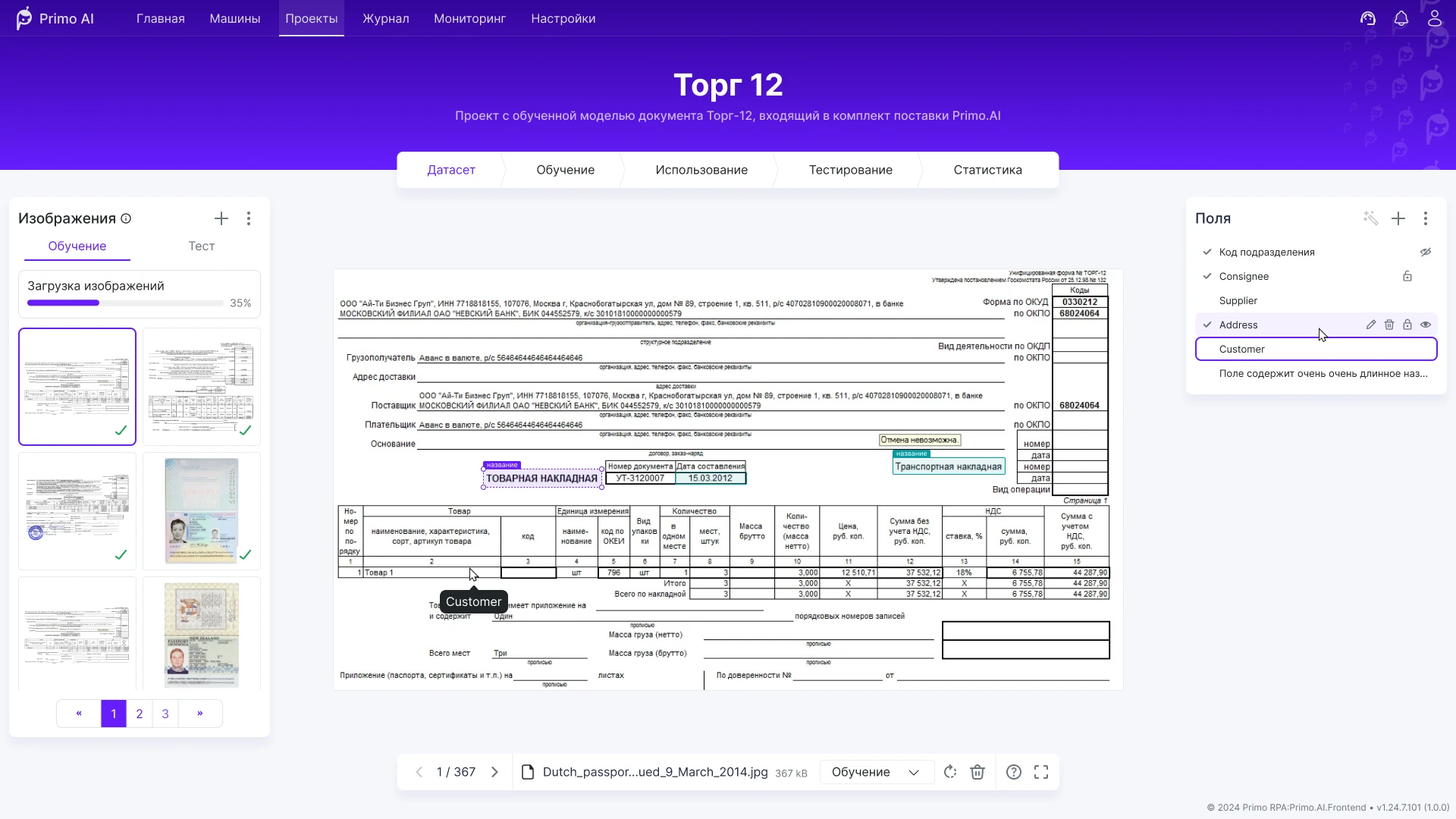
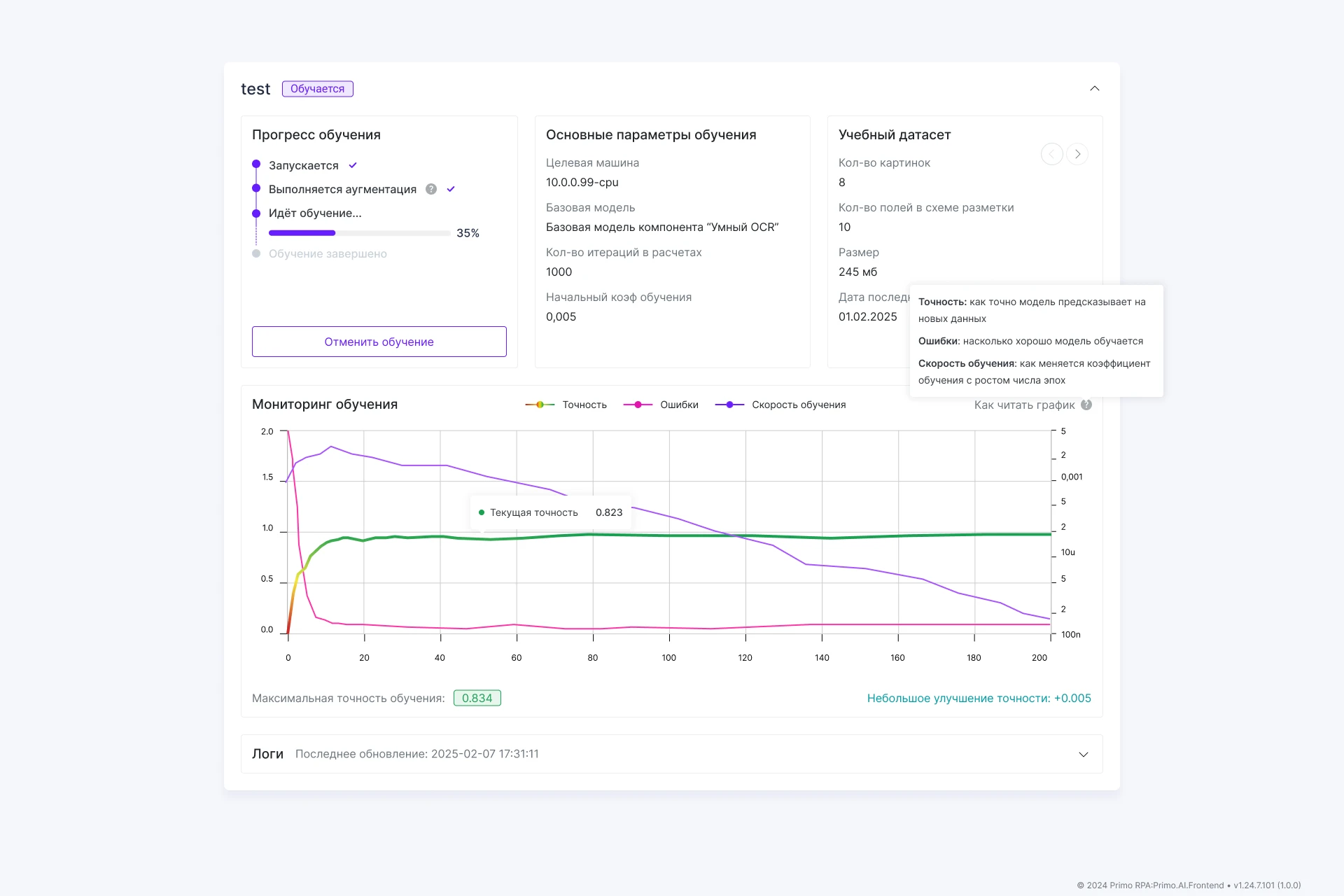
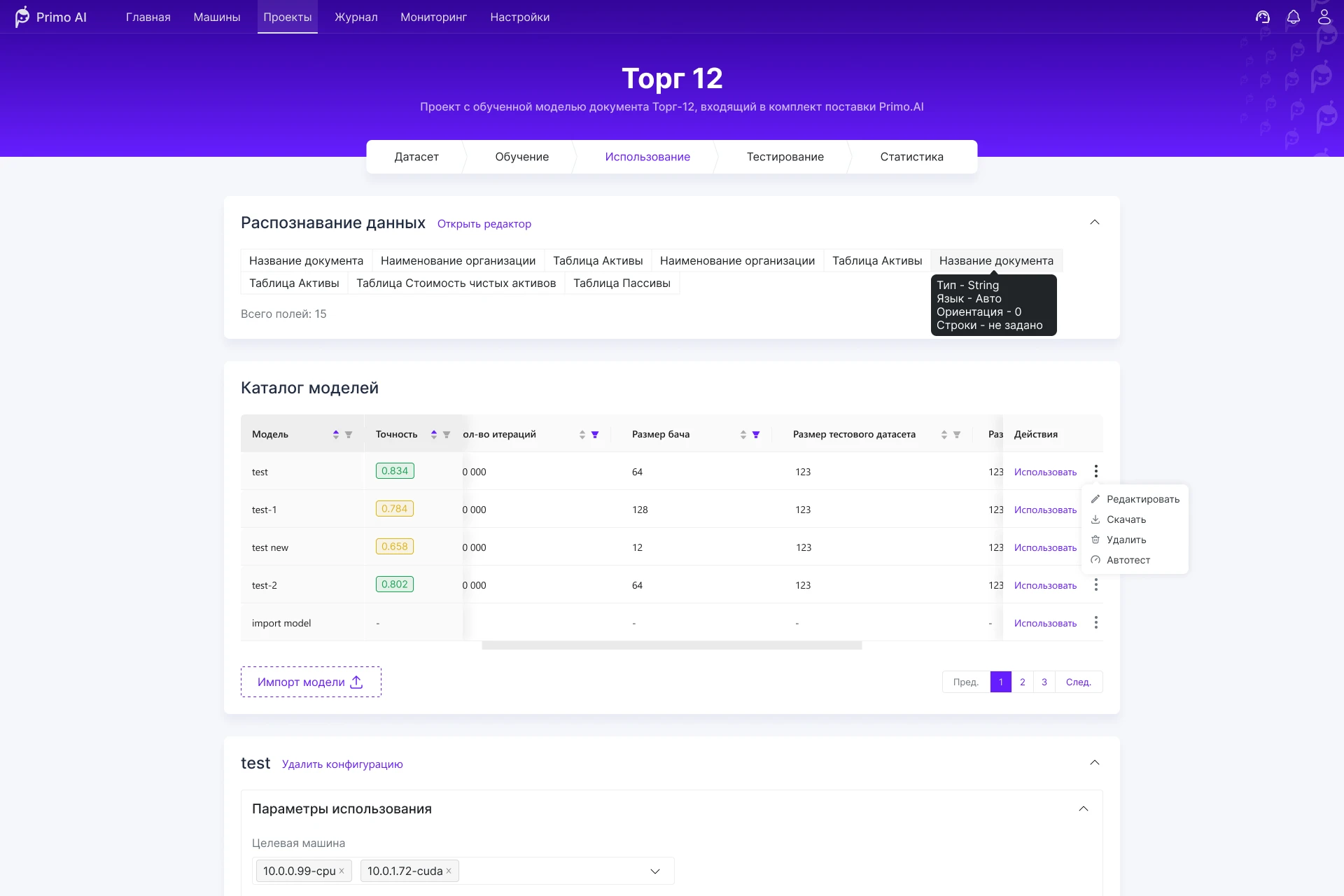
Special Focus: Running and Monitoring the Model Within the Project: The user must understand the status of the inference run and stay in sync with the rest of the settings.
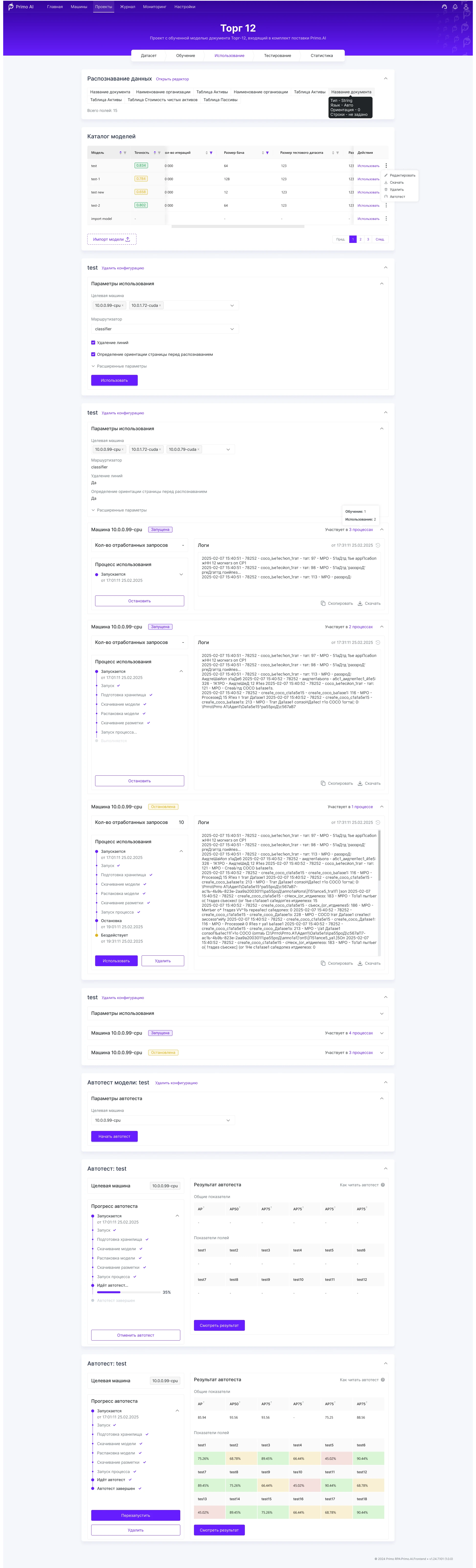
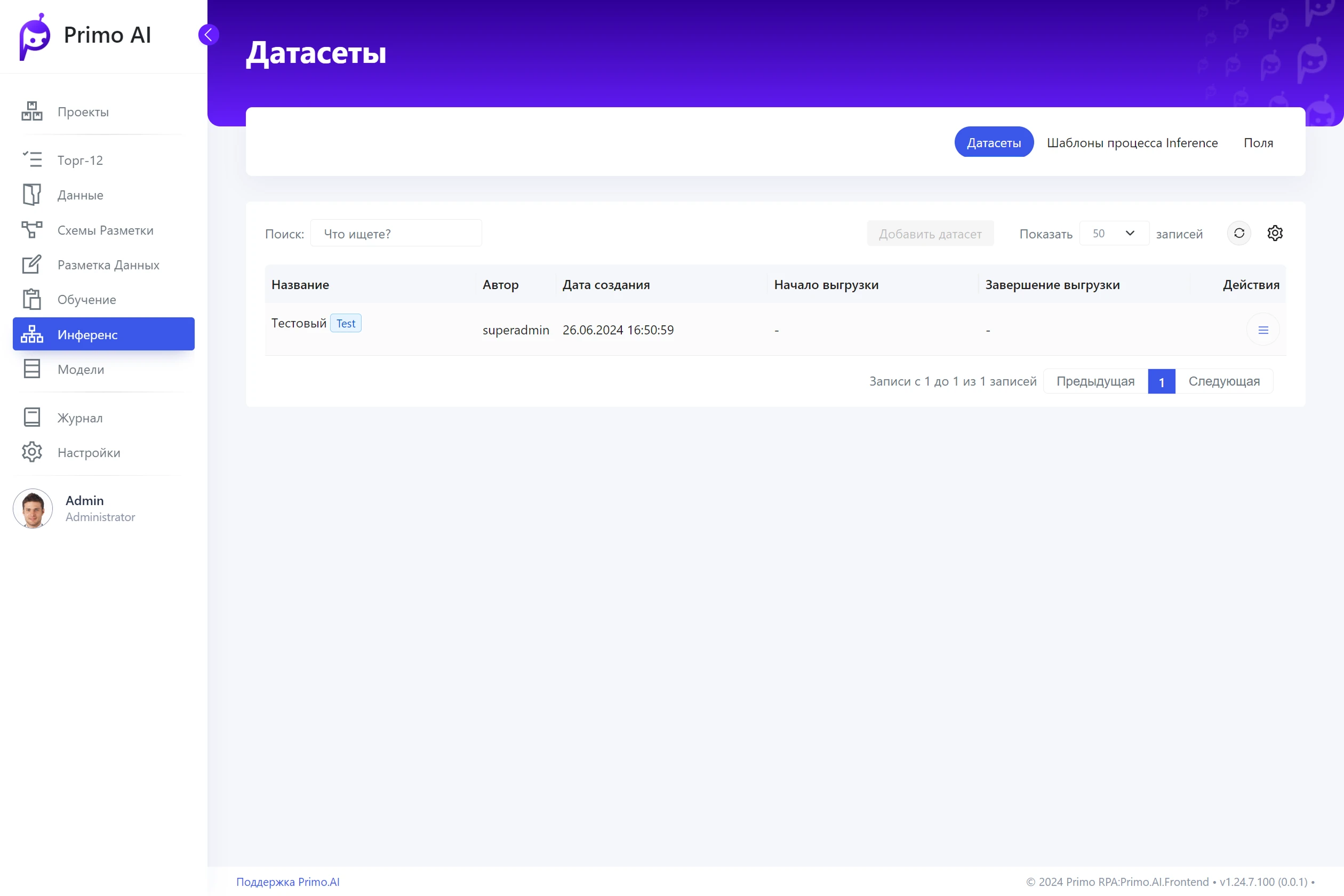
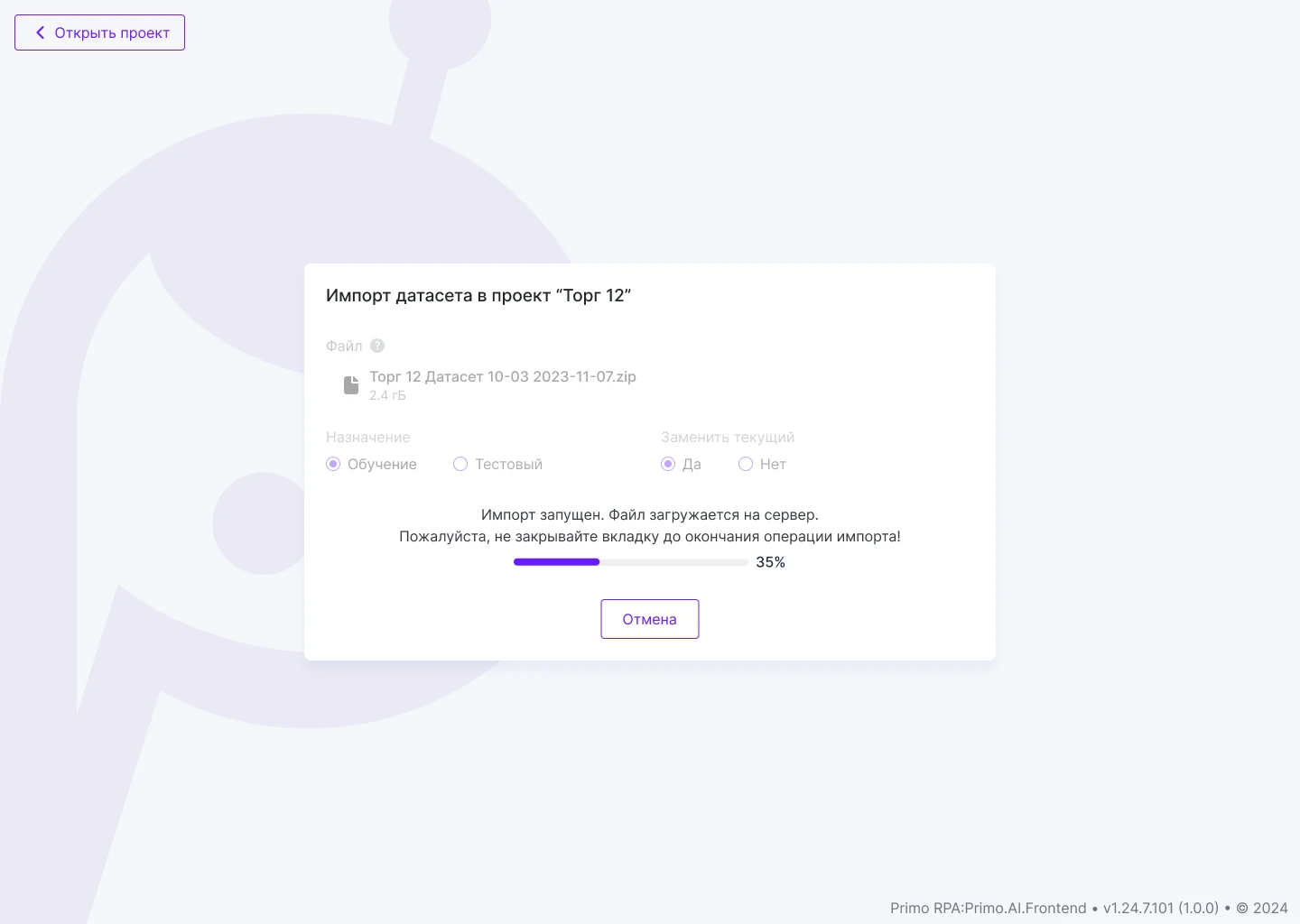
This isn’t about “long tasks,” but rather about processes in a separate context: some block work on the project until they’re finished, while others run in parallel in a separate window, allowing you to continue configuring project settings. We moved this functionality to a separate window because there were several entry points for these tasks, and a standard modal wasn’t enough—you had to complete a separate process elsewhere and then return to the project settings. This approach reduced the amount of development and testing required.
Below are three full-screen canvas options: import in a separate window, panel mode, and the minimalist “zen” mode.
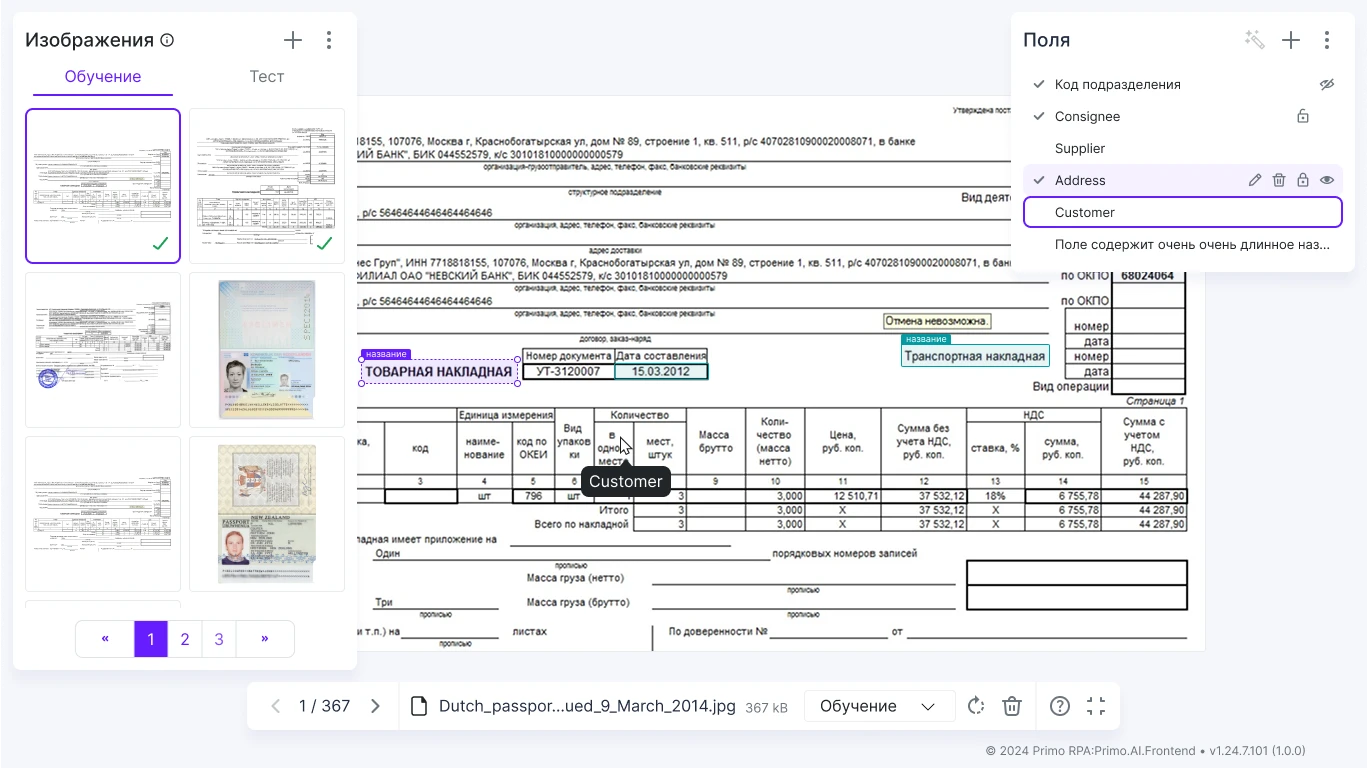
Several major items remained on the roadmap: scenarios related to the LLM (lists, statuses, actions), a step-by-step training wizard with progress tracking and undo functionality, and a full-featured OCR engine with region marking and on-page quality previews. These were not included in the minimum set for the interface’s first production release, but the established patterns should accommodate them without major rework.
Work proceeded through regular synchronization with the development team: mockups, specifications, and a phased handoff to the front end. After I left the project, the team looked for the next designer and structured the onboarding process based on the existing design assets and layout guidelines.
The AI Server interface in Primo RPA was transformed from an “engineer-oriented developer interface” into a product with intuitive configuration logic and user guidance. The focus on user flows and routine automation reduced the implementation burden and paved the way for broader adoption within the company and among clients.
An interface for training and using AI models in business processes: working with data, automation scenarios, and Smart OCR.
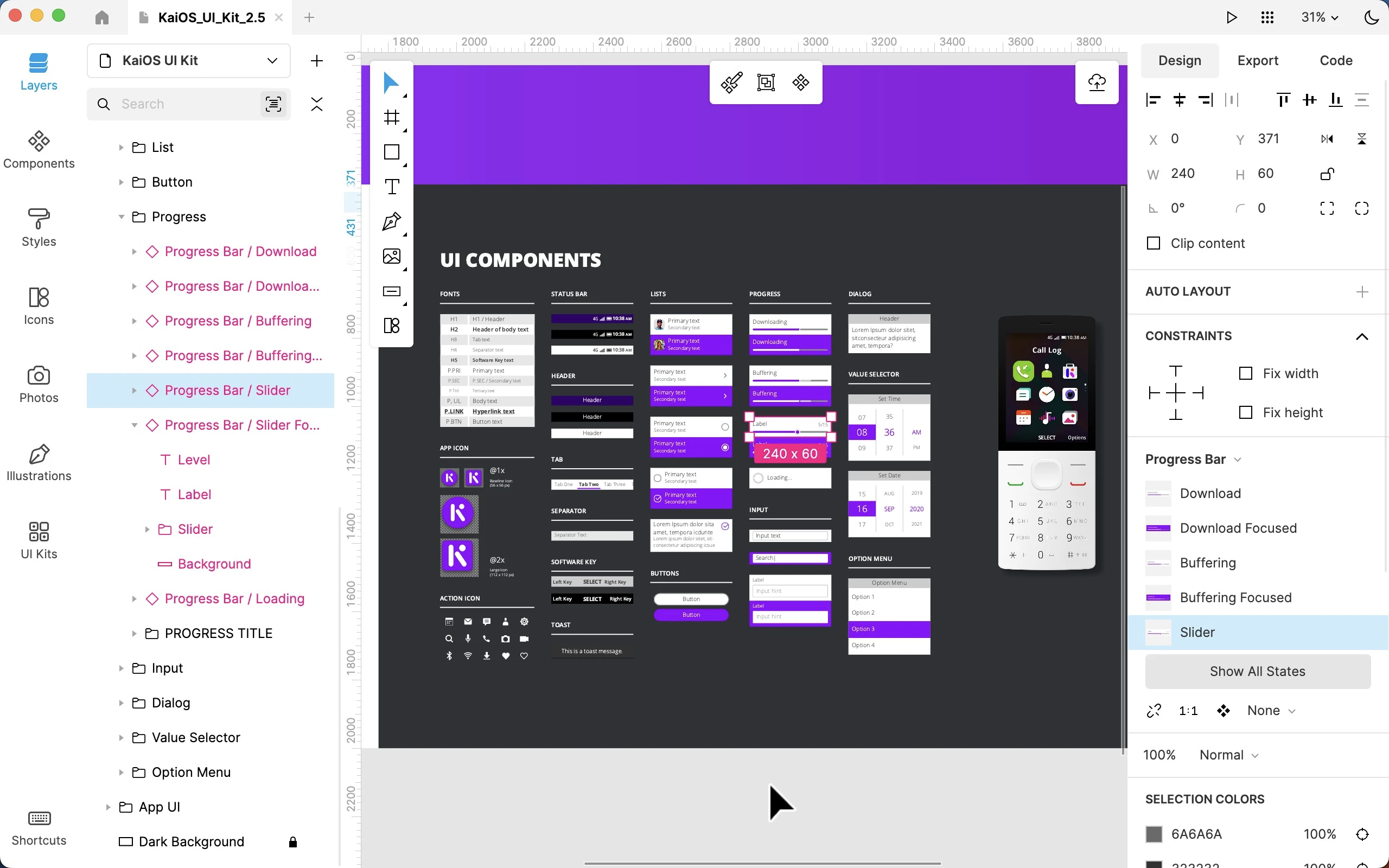
Worked on the Lunacy interface as part of the Icons8 team: user flow, complex prototypes, and improvements to functionality and interface logic.
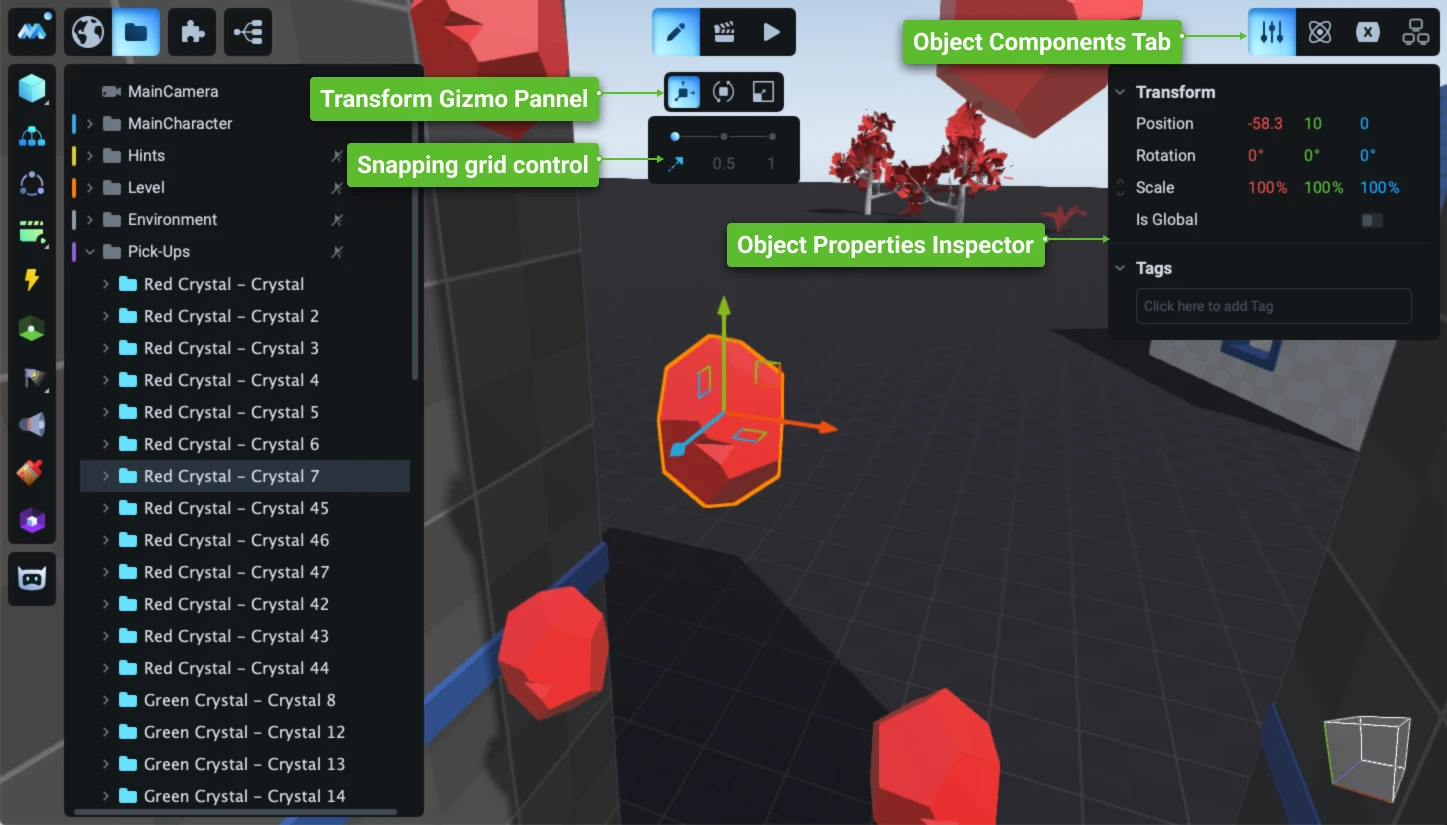
Redesign and development of the game engine’s user interface: a new operational concept, an updated visual system, and the development of hundreds of complex user scenarios.
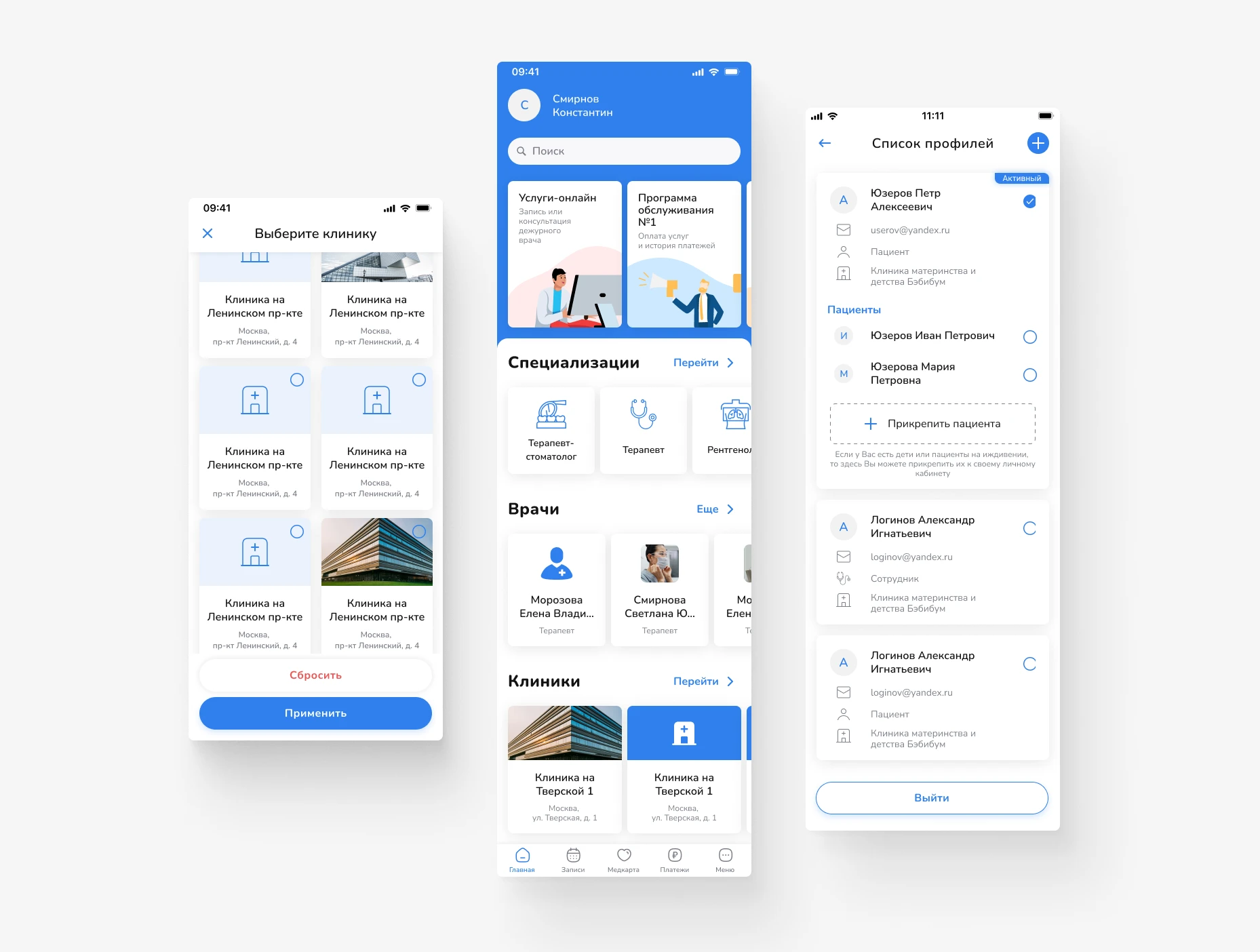
Design of a mobile app for scheduling doctor appointments and managing medical services. Focus on a simple user journey, intuitive navigation, and quick access to necessary actions.
Primo RPA orchestrator’s web dashboard: projects, deployment, and monitoring of RPA robots. Redesign of key screens for production without interrupting releases.
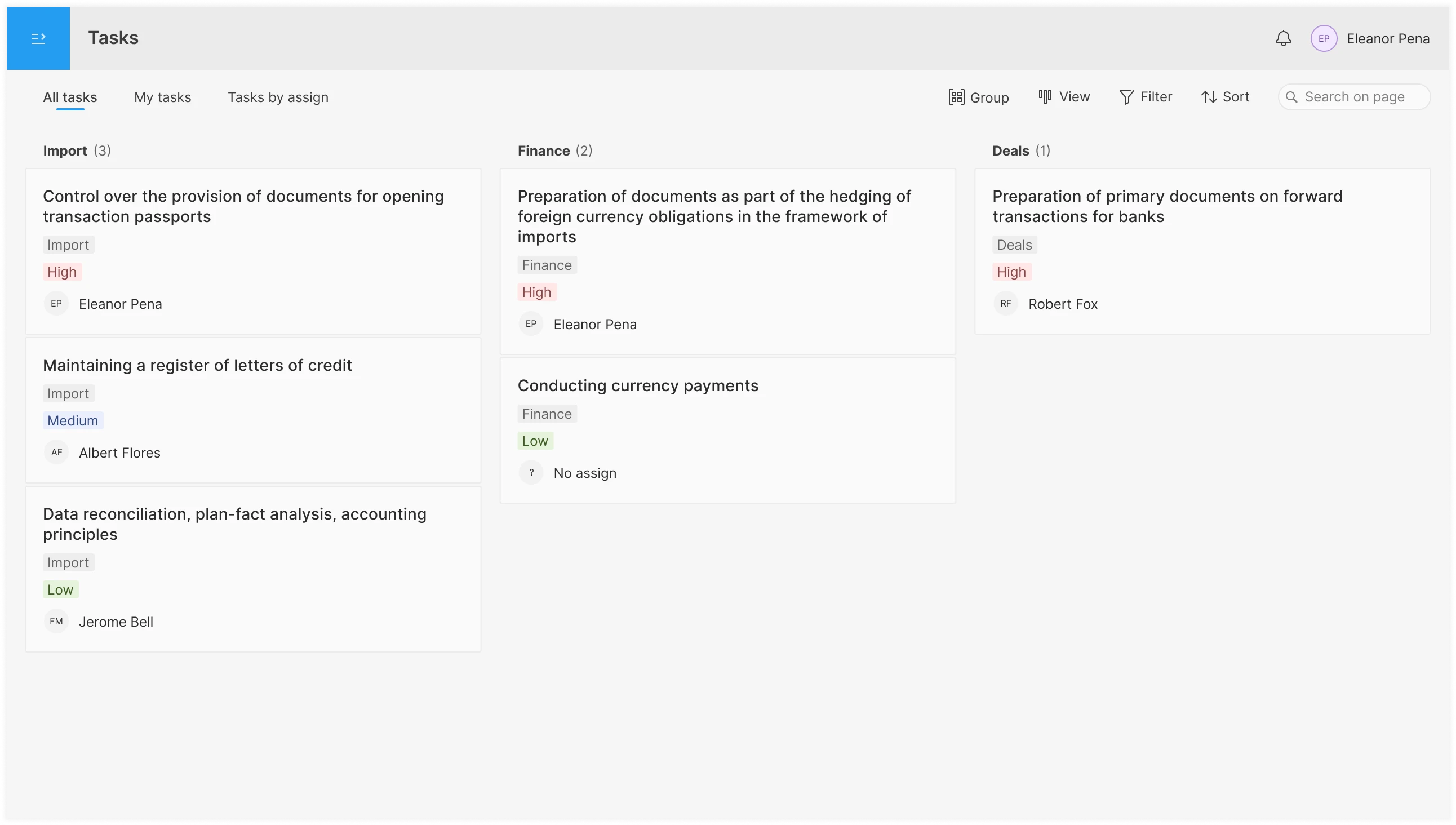
Product concept for a service to create, assign, and track tasks, with an emphasis on process transparency and seamless teamwork.
An interface for planning and assigning tasks in the operations department: shared pool, personal to-do list, overview by assignee; tabs, filters, board/list/table views, and drag-and-drop functionality.


