Web panel for automation orchestration
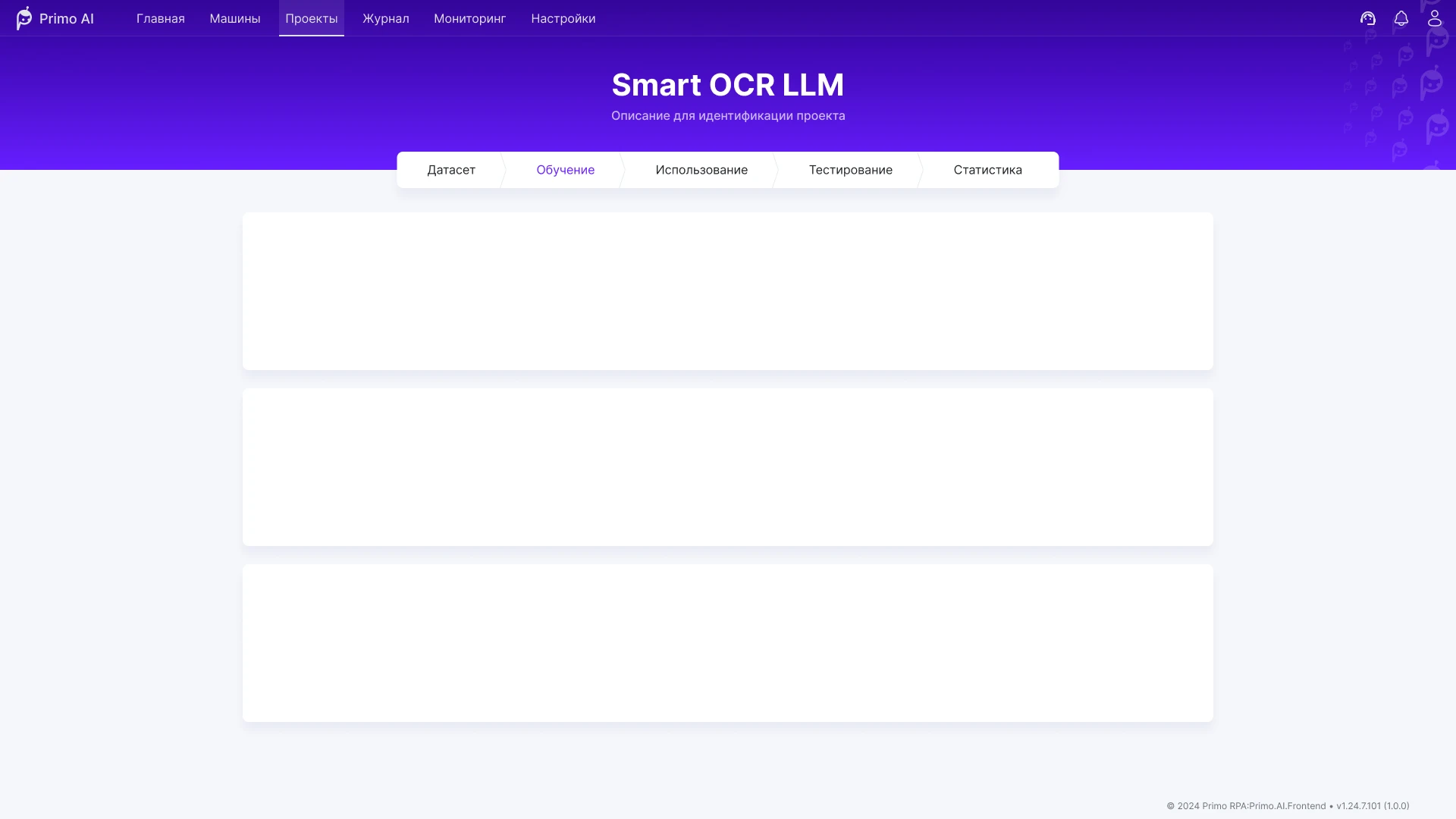
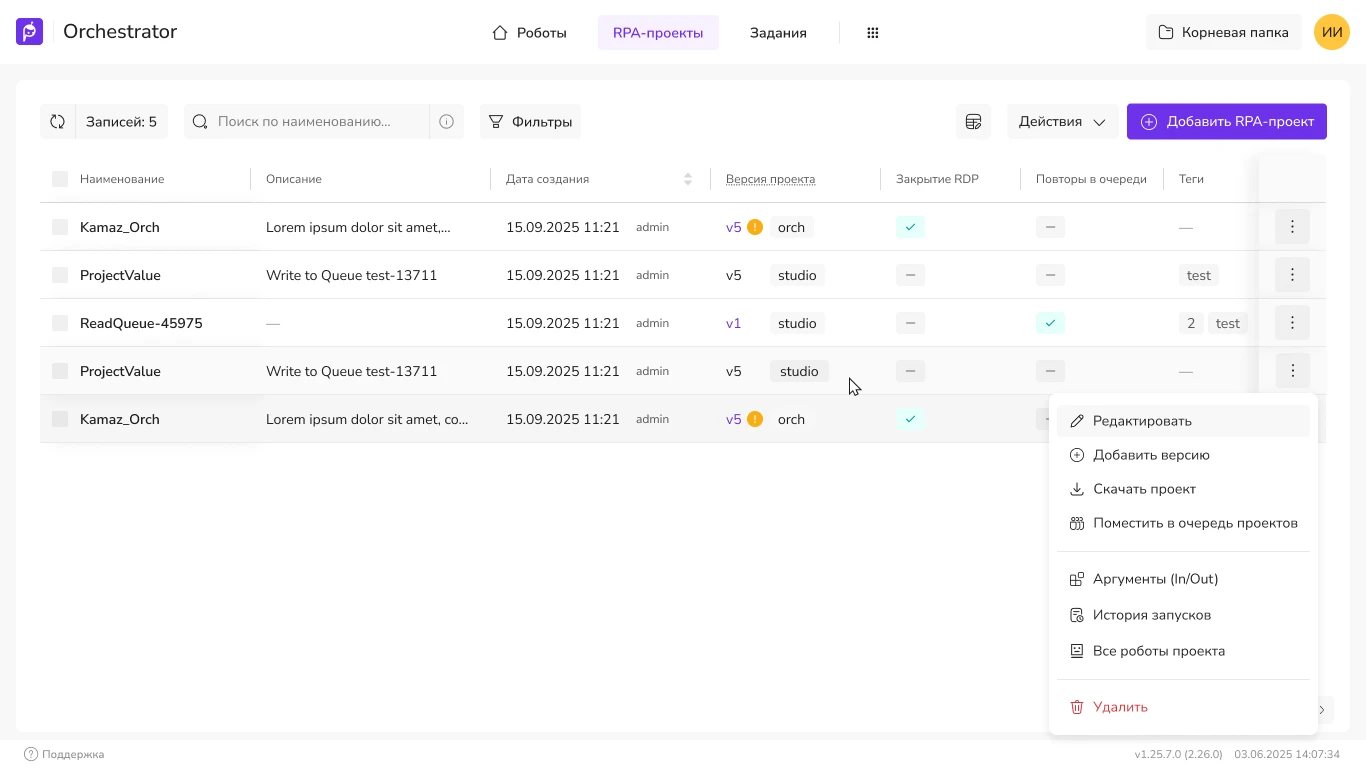
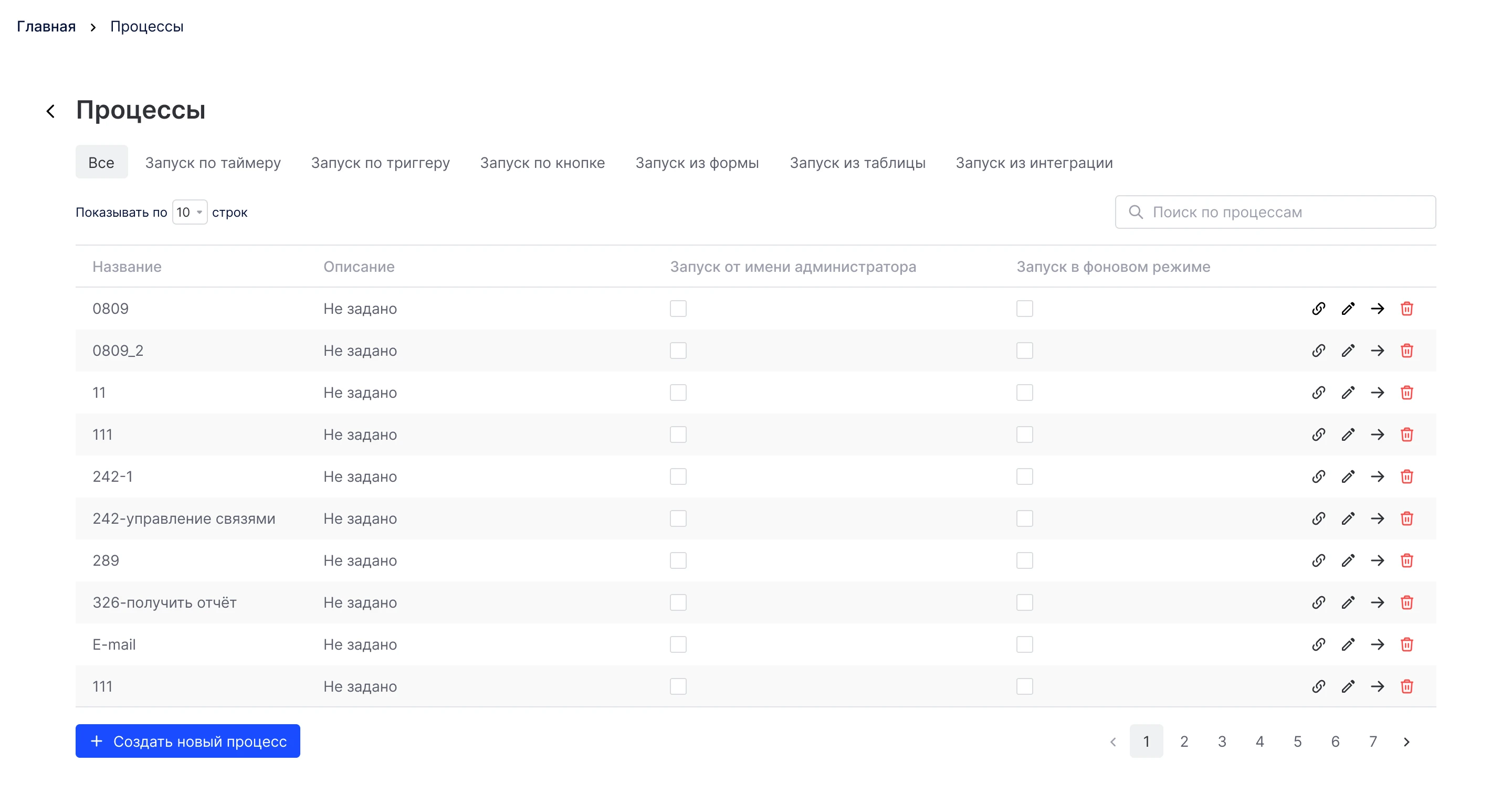
Primo RPA orchestrator web console: projects, launch and control of RPA bots. Redesign of key screens for production without halting releases.
Interface for training and using AI models in business processes: data work, automation scenarios, and Smart OCR.
Work on the Lunacy interface at Icons8: user flows, complex prototypes, improved functionality and interface logic.
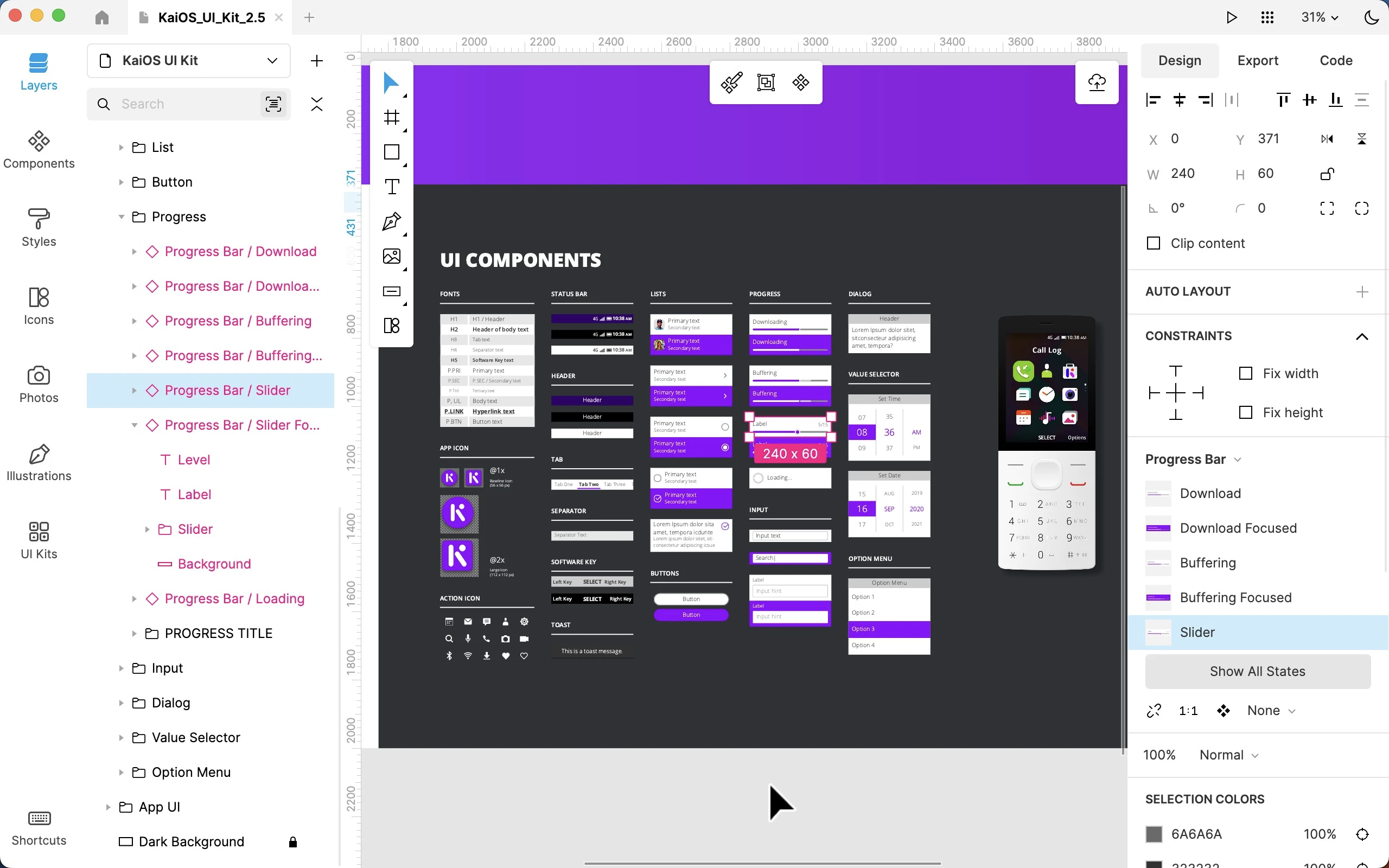
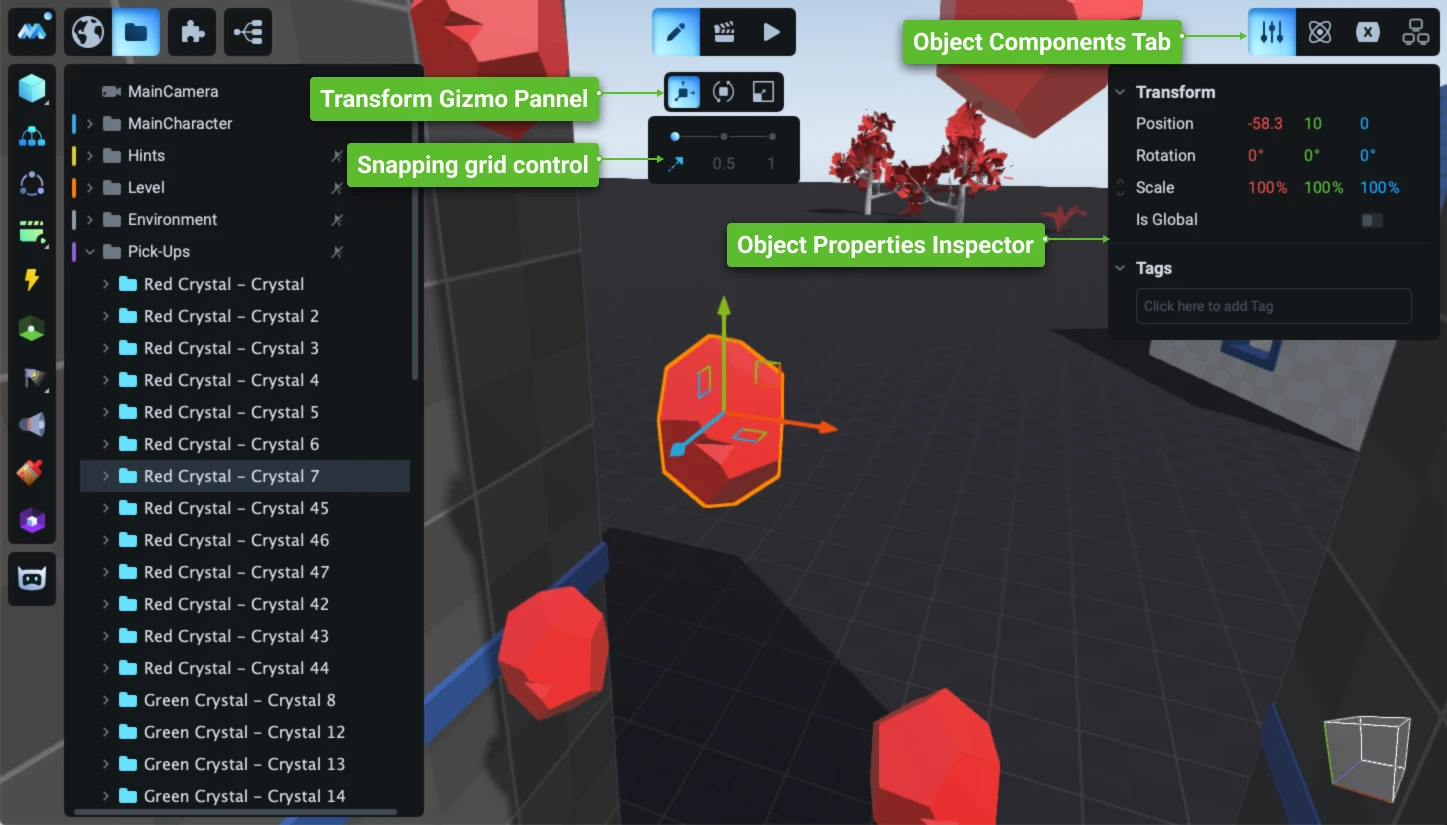
Redesign and evolution of the game engine interface: a new working concept, refreshed visual system, and hundreds of complex user scenarios worked through.
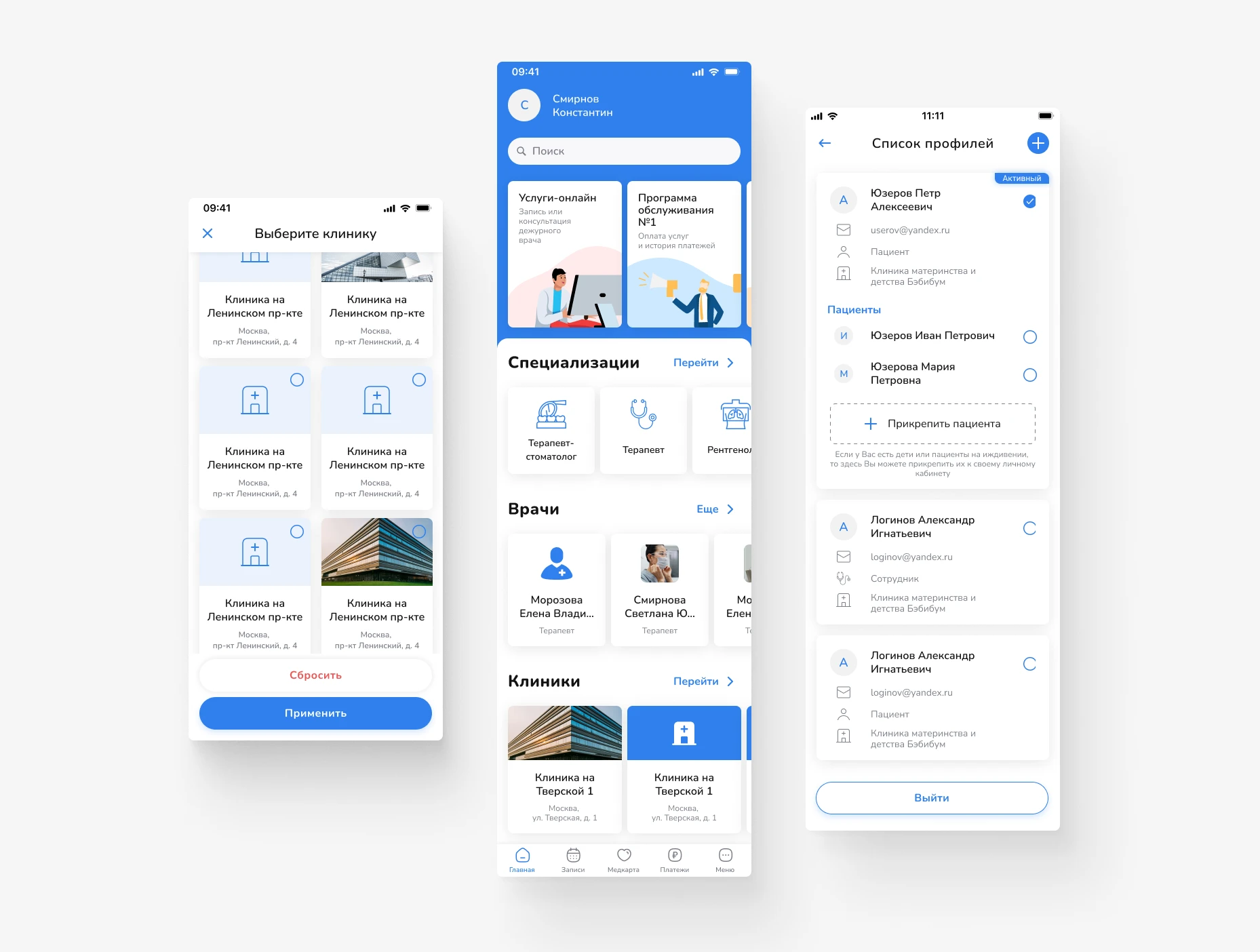
Design of a mobile app for booking doctors and managing medical services. Focus on a simple user path, clear navigation, and quick access to the right actions.
Primo RPA orchestrator web console: projects, launch and control of RPA bots. Redesign of key screens for production without halting releases.
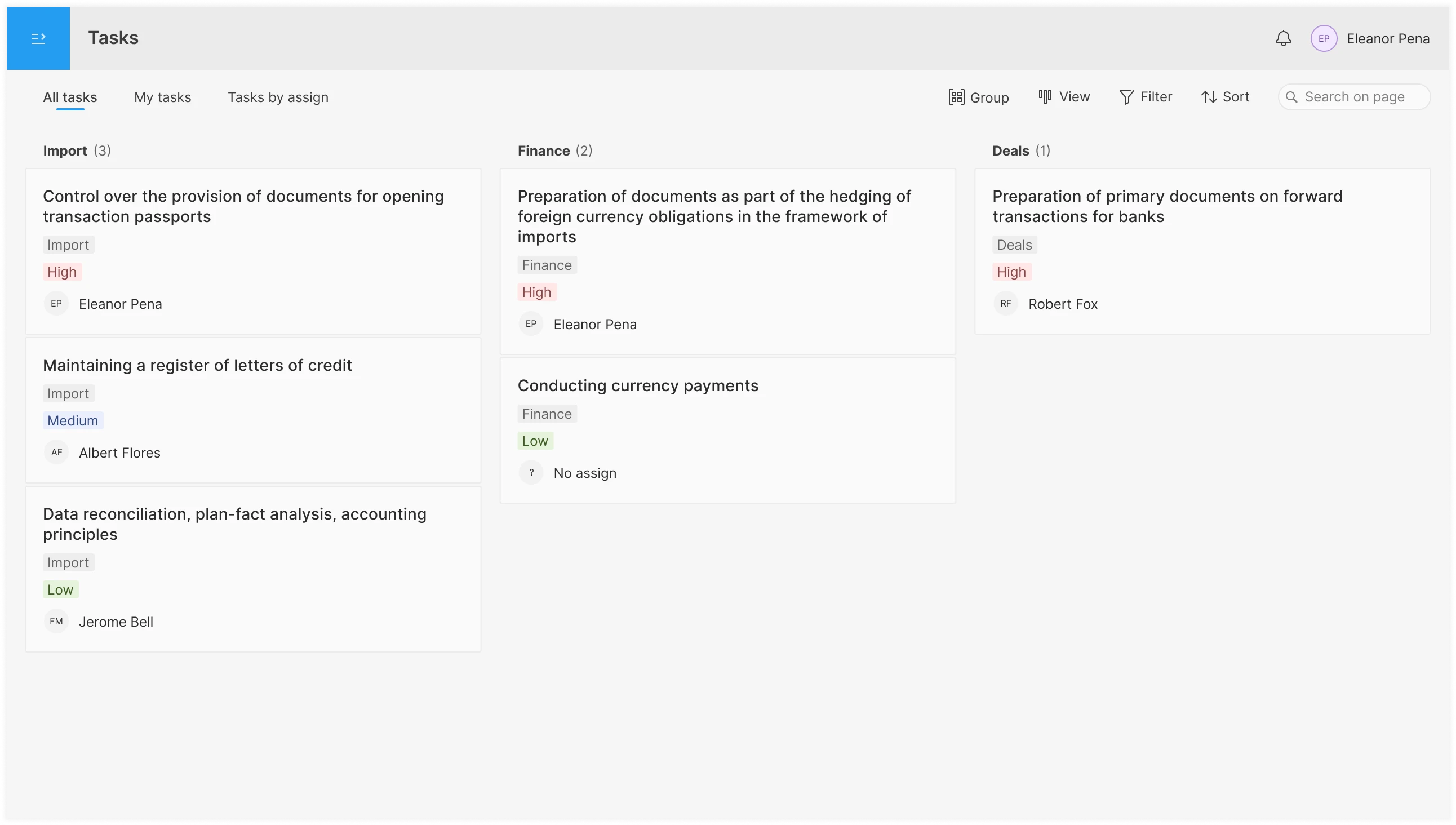
A product concept for a service to set, distribute and track tasks, with emphasis on process transparency and comfortable teamwork.
Interface for planning and distributing tasks in the operations department: shared pool, personal ToDo, per-assignee overview; tabs, filters, board / list / table views, drag & drop.
I enjoy building small side projects and sharing something useful with the world.
An AI assistant for any editor plan
Shows note cards in a kanban-board style
The whole site-building cycle with AI
I publish useful files and plugins for the community
Nice visuals with UI elements
My channel about design. Posts on product design and useful links
My projects and code experiments
Development and support of digital systems and tools that boost team efficiency.
A business process automation platform with a suite of products: a studio for building bots, an orchestrator to manage them, an Idea Hub for process selection, and AI servers for models and data recognition.
A vector editor for UI/UX and web design with Sketch support, a built-in library of icons/photos/illustrations, and a set of AI tools to speed up routine work.
No-code/low-code platform for building 2D and 3D games without writing code.
An international technology company specializing in custom development and engineering solutions for large enterprise clients.
A secure messenger with end-to-end encryption and no message storage on servers, focused on maximum user privacy.
A studio building mobile and web apps end-to-end for businesses and entrepreneurs.
My experience covers both launching a product's first versions from scratch and evolving mature solutions — where the goal is not to break familiar flows but to refine them carefully.
Below are examples of real business tasks and how I approached them
Make a complex product clearer so users reach key actions.
I map the user journey and cut steps that don't move them toward the goal.
I design flows so every step makes clear what's happening and what to do next.
I make even complex features feel natural by using familiar patterns and standard UI elements.
Improve the first steps in the product and guide users to their first "aha" moment.
I remove everything that distracts from the first result: extra steps, optional fields, secondary details.
I replace long explanations with small hints exactly when they're needed — no lengthy tours or complex manuals.
Reduce support load through interface design.
I collect frequent requests and, based on them, simplify the flow and UI so users can solve issues on their own.
Tie the interface to product goals, not just a feature list.
I start from the business and user problem we're solving, then build flows and UI around it.
I turn scenario problems into clear hypotheses and help the PM pick what actually moves the needle.
Bring several products or modules to a unified look and logic.
I assemble a shared UI kit and core principles usable across all products.
I surface repeated patterns and consolidate them into one system instead of a dozen similar solutions.
I unify scattered solutions into a single design system that's comfortable for both designers and developers.
Make the interface scalable without piling up hacks.
I define simple design principles and component usage rules.
I set up the design system structure so it's genuinely maintainable and extensible with new patterns.
Tidy up interfaces that grew piece by piece over time.
I merge similar solutions into common components and patterns, removing duplicates and accidental differences.
I keep the interface clean and modern: readable typography, clear hierarchy, accents without visual noise.
Refresh the product's look so it doesn't feel dated next to competitors.
I start with frequently used screens and elements so the impact shows for both users and business.
I align update stages with the current roadmap and dev workflow so familiar flows and releases aren't broken.
I set the base style — typography, color, spacing — so the interface looks clean and modern.
Get a real picture of user behavior instead of relying on the team's guesses.
I talk to users: I watch how they solve their tasks in the product and what they do at each step.
I turn research findings into concrete changes in the interface and flows.
Make sure key flows work before shipping them to production.
I prepare simple usability-test scenarios based on real user tasks.
Understand how interface changes affect the product's key metrics.
I help describe the key events and funnels that reflect real user steps.
I look at metrics alongside real usage scenarios and suggest interface changes that make things easier for users and better for the product.
Build clear processes inside the design team.
I introduce regular design reviews of shipped work, where everyone gets useful, constructive feedback.
I agree on a task brief template and transparent acceptance criteria, so it's clear when a task is truly done.
I set up a workflow that handles both planned work and urgent "on-fire" tasks.
Make design, product, and engineering work as one team, not three separate camps.
I act as the bridge: discuss flows with the PM, constraints with engineering, and capture decisions in the interface.
Hire and grow product designers for a complex product.
I help shape the candidate requirements.
I take part in hiring: I check how a candidate handles flows, constraints, and complex cases.
I structure interviews to assess thinking and tooling.
I set up onboarding through real tasks and regular reviews so the designer gets up to speed and adds value faster.
I run regular 1:1s with designers: we review decisions, growth areas, and next steps.